What We Do
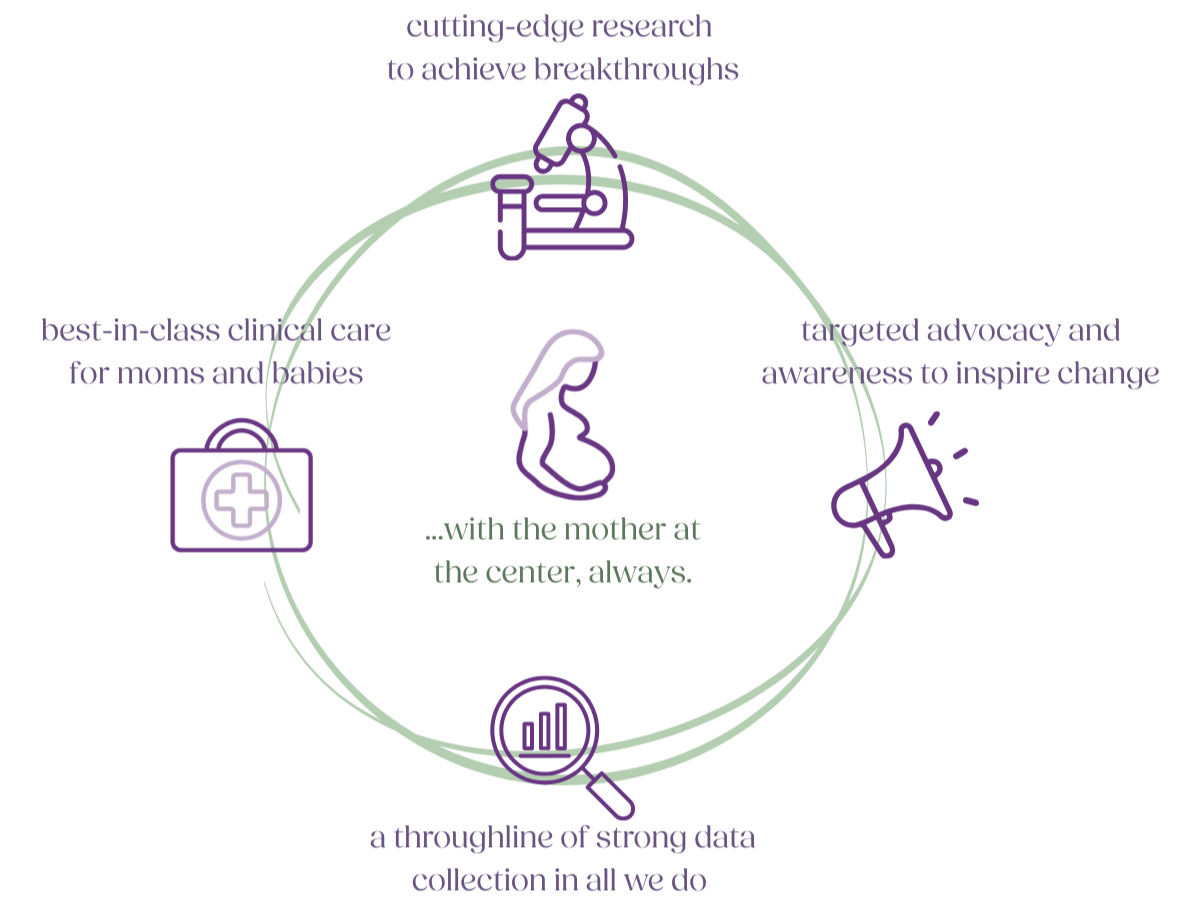
The Iris Fund brings together leaders in research, clinical care and patient advocacy to change the trajectory of preterm birth for the next generation.
In everything we do, we insist on strong data to support the steps we take and ensure that the mother’s voice and experience is at the center of every decision.
The most stressful time for a woman’s body is during pregnancy and labor. By studying the causes of preterm birth, we can learn so much about how a woman’s body will act and react - giving us critical data about her potential health risks throughout her lifetime.
A better understanding of how a woman’s body works helps us improve health outcomes for all women.
-
Research & Development
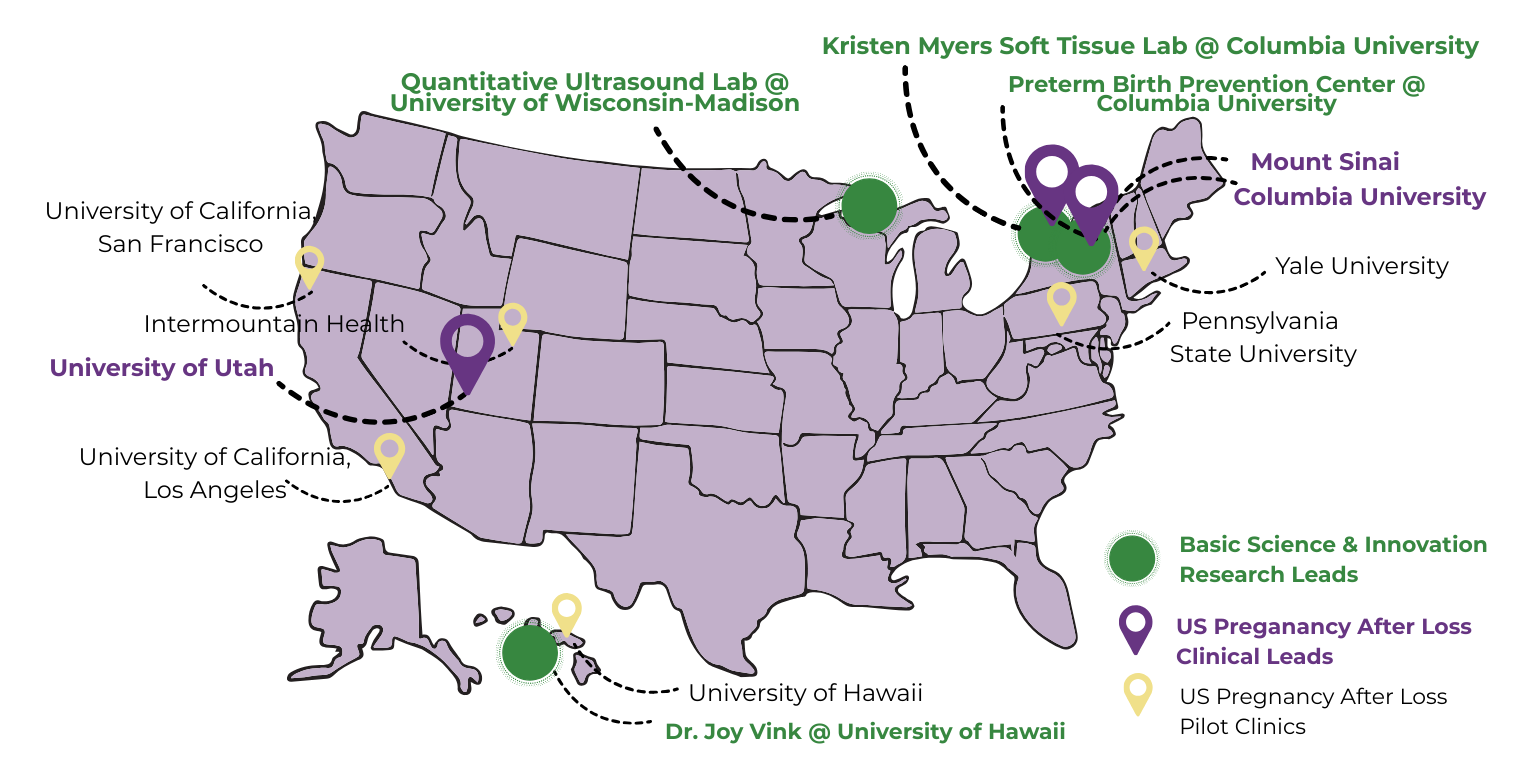
The Iris Fund drives groundbreaking foundational research and leverage the skills and knowledge of the best physician-scientists, engineers and quantitative imaging experts across the country at Columbia University and University of Wisconsin-Madison.
In 2025, this included the development of a digital twin of the uterus and cervix, which will ensure more effective risk stratification and treatment for women during pregnancy and labor, and integration into ultrasound technology to turn hypotheses from the lab into patient care solutions.
-

Clinical Training
Mothers are at the heart of our work and moms who are experiencing pregnancy after loss need a curated approach. A unique clinical model improves patient experience and outcomes by engaging nurses and staff at every touchpoint of care in patient sensitivity training; delivering a common protocol of clinical care with the patient in mind; and sharing data across clinics and hospitals to drive best practice.
In 2025, we launched the US Pregnancy After Loss Network alongside partners. We have since welcomed pilot clinics at Yale University, UC San Francisco and Pennsylvania State University, with more coming online soon.
-

Advocacy
As long as women continue to ask why their children were born early, The Iris Fund will be committed to finding answers. We led the effort to pass the Stillbirth Tax Credit in Connecticut in 2022 and have supported similar efforts in other states as we work with partners to speak out in favor of national investment in preterm birth.
In 2025, we worked with partner Debbie Haine Vijayvergiya to advocate for the SHINE for Autumn Act, federal legislation that would focus on preventing stillbirths through enhanced data collection, research, education, and awareness.

Data Collection
We are passionate about making sure every decision is backed by sound data. In all we do and with all of our partners, we are rigorous in our approach to test, collect and deliver based on what the data shows us is possible.

Moms at the Center
Nowhere about us, without us. The Iris Fund knows that any solution to preterm birth that doesn’t have a mother at the center is a fragmented solution. Mothers must have a seat at the table to advocate for the patient’s role in improving birth outcomes.
Our Footprint
The Iris Fund works with researchers, engineers, physicists, advocates and doctors at the leading institutions for medical breakthroughs and patient care across the country.
This assembled team of experts includes research labs finding new ways to screen for and treat high-risk pregnancy and hospitals that support women who are experiencing pregnancy after loss with best-in-class care.
Our Impact
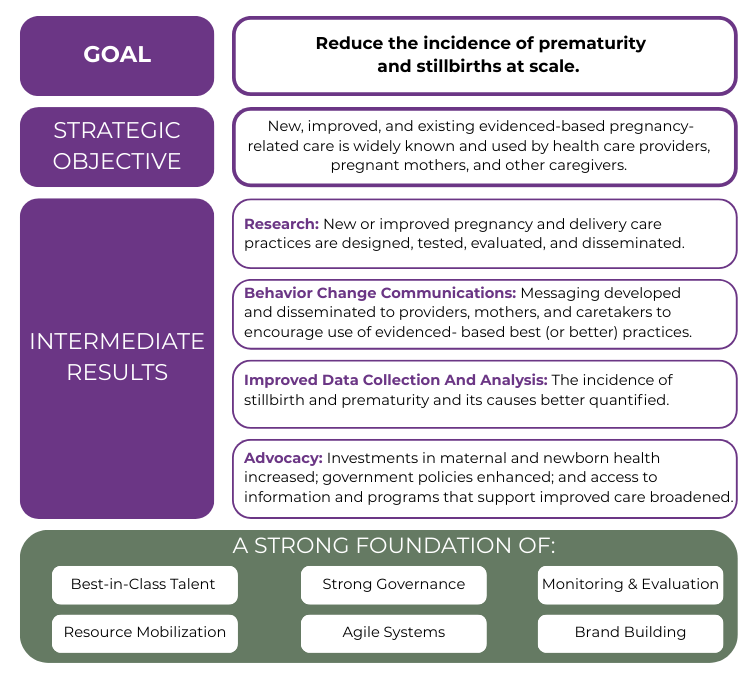
The work of The Iris Fund is grounded in a Results Framework.
This approach outlines the underlying logic to programming. It defines measurable objectives, helps us monitor our activities, identifies critical resources and activities, and assists with adjusting our strategy when necessary.
We are pleased to report out on our work and activities annually. Read our 2025 Impact Report to learn more about our recent work to end preterm births.